Getting a toddler to sleep isn’t always easy. One night they settle perfectly, and the next they’re asking for another story, refusing pyjamas or popping out of bed every few minutes.
The good news is that small, consistent changes can make bedtime much calmer. From creating the right sleep environment to building healthy evening routines, these simple toddler sleep tips can help your child fall asleep faster and stay asleep longer.
Whether you’re dealing with bedtime battles, sleep regression or frequent night waking, these proven ideas can help create a more peaceful bedtime routine for the whole family.
“Safer Sleep At Fennies” By Kelly Tindall, Learning & Development Trainer At Fennies

Creating a safe, sleep environment is a vital part of our daily practice and a responsibility we share across our teams. Our approach is guided by ‘The Lullaby Trust’ and our internal policy, ensuring every child can rest safely and comfortably in our care.
To ensure children sleep safely, sleep mats must always remain completely flat and fitted with a full sheet, while only clean, lightweight cellular blankets should be used to support airflow and prevent overheating. Babies are always placed on their backs to sleep, never in buggies or on chairs or cushions, making sure there are no loose items surrounding them. Room temperature should be maintained between 16-20°C, where possible, to further ensure comfort and safety.
Children are closely supervised throughout sleep times, with well-being checks being carried out every 10 minutes and recorded using a sleep timer. During these checks, educators monitor each child’s breathing and sleeping position to ensure they remain safe and comfortable.
At Fennies, children’s well-being and individual needs always come first. Sleep is never forced and if a child is unable to settle after 15 minutes, they will be offered other calming alternatives such as quiet play or rest. Consistent, attentive practice helps keep our children safe, comfortable and well supported throughout every rest time at Fennies.
Table Of Contents
- Create A Consistent Bedtime Routine
- Keep Evenings Calm & Screen-Free
- Avoid Overtiredness
- Create A Comfortable Sleep Environment
- Use Comfort Items
- Set Clear Bedtime Boundaries
- Try Calm Bedtime Activities
- Balance Naps & Daytime Activity
- Support Sleep With Healthy Nutrition
- Stay Calm During Bedtime Resistance
- Encourage Independent Sleep Skills
- Follow Your Toddler’s Natural Rhythm
1. Create A Consistent Bedtime Routine
Toddlers thrive on routine. Repeating the same bedtime steps each evening helps children feel safe, secure and prepared for sleep.
A simple bedtime routine could include:
- Bath Time
- Pyjamas
- Brushing Teeth
- Story Time
- Cuddles
- Lights Out
Try to keep bedtime at a similar time every night where possible. Reading before bed is also a great way to support communication and language development.
2. Keep Evenings Calm & Screen-Free

Busy, overstimulating evenings can make it harder for toddlers to settle. In the hour before bed, try to avoid:
- Tablets
- Phones
- Loud Television
- Energetic Play
- Bright Lights
Instead, focus on calming activities that help your toddler wind down naturally. Good evening activities include:
- Reading Stories
- Colouring
- Gentle Music
- Simple Puzzles
- Quiet Sensory Play
3. Avoid Overtiredness
Overtired toddlers often struggle the most at bedtime. When children become overtired, stress hormones can make it harder for them to relax and fall asleep.
Common signs of overtiredness include:
- Tantrums Before Bed
- Hyperactivity
- Rubbing Eyes
- Clinginess
- Difficulty Settling
Watching for early sleepy cues can help prevent bedtime becoming stressful. Most toddlers benefit from bedtime between 6:30pm and 8:00pm depending on age and nap schedules.
4. Create A Comfortable Sleep Environment

A calm sleep environment can make a big difference to toddler sleep quality. Try to keep your toddler’s bedroom:
- Cool
- Dark
- Quiet
- Uncluttered
- Comfortable
Experts generally recommend a room temperature between 16–20°C for safe sleep.
At Fennies, safer sleep practices are part of supporting children’s wellbeing and comfort throughout the day. Safe sleep spaces remain clear and breathable, with it being carefully monitored at all times.
5. Use Comfort Items
Comfort items can help toddlers feel emotionally secure at bedtime. Many children settle better with:
- A Favourite Teddy
- A Comfort Blanket
- A Familiar Bedtime Toy
- A Parent Photo Nearby
These familiar objects can help children feel calm during:
- Sleep Regressions
- Separation Anxiety
- Nursery Transitions
- Routine Changes
Children often settle best when home routines and nursery routines are similar, with that level of consistency proving beneficial
6. Set Clear Bedtime Boundaries
Toddlers naturally test boundaries, especially when they’re tired. Keeping bedtime expectations calm and consistent helps children know what to expect. Try to:
- Keep Routines Predictable
- Avoid Extra Snacks
- Games After Bedtime
- Use Simple Bedtime Phrases
- Stay Calm If Your Child Resists Sleep
Helpful bedtime phrases include:
- “It’s Bedtime Now.”
- “You’re Safe.”
- “I’ll See You In The Morning.”
Consistency is key. The more predictable bedtime feels, the easier it often becomes over time.
7. Try Calm Bedtime Activities
Gentle evening activities can help toddlers transition from playtime to sleep time. Simple calming activities include:
- Storytelling
- Lullabies
- Colouring
- Toddler Yoga
- Breathing Exercises
- Soft Sensory Play
These quieter moments can help toddlers regulate emotions and feel more relaxed before bed.
8. Balance Naps & Daytime Activity
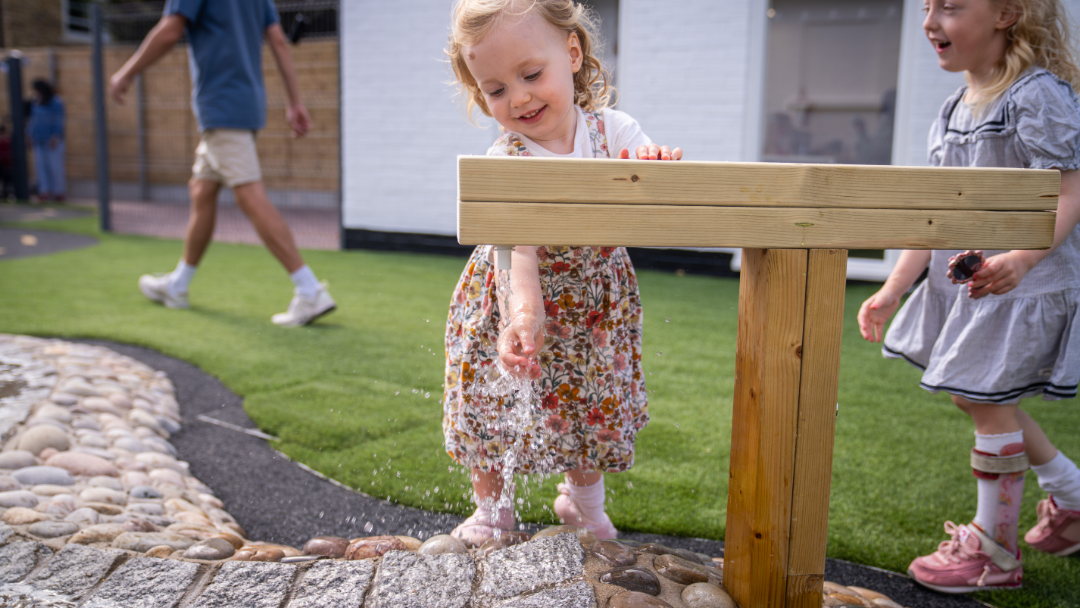
Daytime routines affect nighttime sleep more than many parents realise. Toddlers need:
- Active Play
- Outdoor Time
- Rest Periods
- Consistent Naps
Too little daytime activity can leave toddlers full of energy at bedtime, while too much stimulation without rest can lead to overtiredness. Outdoor play is especially important for:
- Physical Development
- Emotional Wellbeing
- Healthy Sleep Patterns
At Fennies, children benefit from free-flow outdoor learning that supports movement, exploration and wellbeing throughout the day.
9. Support Sleep With Healthy Nutrition
Food and hydration can affect toddler sleep patterns. To support healthy sleep:
- Offer Balanced Meals
- Avoid Too Much Sugar Before Bed
- Keep Toddlers Hydrated
- Avoid Caffeinated Drinks
- Maintain Regular Mealtimes
Some toddlers may also benefit from a light bedtime snack like:
- Banana
- Yoghurt
- Toast
- Porridge
At Fennies, nutritious meals prepared by onsite chefs help support children’s wellbeing and development throughout the day.
10. Stay Calm During Bedtime Resistance

Bedtime resistance is extremely common during toddlerhood. Toddlers often delay bedtime by:
- Asking For Water
- Wanting Another Story
- Leaving Their Room
- Asking For Cuddles
- Calling Parents Back Repeatedly
Responding calmly helps avoid bedtime becoming emotionally overwhelming. Try to keep responses:
- Brief
- Calm
- Predictable
- Reassuring
Toddlers often settle better when adults stay emotionally regulated and consistent.
11. Encourage Independent Sleep Skills
Independent sleep skills can help toddlers settle more confidently. Gentle ways to encourage self-settling include:
- Putting Your Toddler Down Drowsy But Awake
- reducing bedtime support gradually
- Using Consistent Sleep Cues
- Keeping Routines Predictable
Every child develops differently, so progress may take time. At Fennies, we recognise the importance of supporting each child’s individual emotional needs and routines through strong parent partnerships.
12. Follow Your Toddler’s Natural Rhythm

Every toddler has slightly different sleep needs. Some children naturally:
- Wake Earlier
- Nap Longer
- Settle Faster
- Need More Wind-Down Time
Rather than aiming for a “perfect” routine, focus on:
- Consistency
- Emotional Security
- Healthy Habits
- Realistic Expectations
Signs your toddler is getting enough sleep often include:
- Stable Energy Levels
- Easier Emotional Regulation
- Good Focus During Play
- Calmer Bedtimes
Building healthy sleep habits takes time and patience. The more consistent your routine becomes, the more natural it will start to feel.
Final Thoughts

Learning how to get a toddler to sleep takes patience, consistency and realistic expectations. Sleep challenges are incredibly common during the toddler years. Especially during periods of growth, developmental change or routine transitions. The most effective bedtime routines are usually the simplest ones. Calm evenings, predictable routines, emotional reassurances and a comfortable sleep environment can all make a big difference over time.
Every child is different, and progress won’t always happen overnight. Small, consistent habits often lead to the biggest improvements. At Fennies, we understand how important routines, emotional wellbeing and safe sleep practices are in supporting young children’s development.
If you’re looking for a nursery that supports your child’s wellbeing both at home and in their nursery environment, our team would love to welcome you for a visit and help you discover life at Fennies!
FAQ
Most toddlers benefit from going to bed between 6:30pm and 8:00pm, although every child’s sleep needs are slightly different. The ideal bedtime often depends on your toddler’s age, nap schedule, activity levels, and morning wake-up time. Watching for tiredness cues such as rubbing eyes, yawning, clinginess, or emotional meltdowns can help parents identify the best bedtime for their child.
Helping toddlers develop independent sleep skills usually works best through gentle consistency and reassurance. Following the same bedtime routine each evening, encouraging self-settling, and creating a calm sleep environment can all support more confident sleep habits. Progress can take time, especially during developmental stages or sleep regressions, but consistent routines and predictable responses often help toddlers feel safe and secure at bedtime.
Yes, sleep regressions are very common during toddlerhood. Developmental milestones, language growth, changes in routine, or increased independence can all temporarily disrupt sleep. These phases are usually short-term, although consistency with routines and bedtime boundaries can help children adjust more quickly.
Some toddlers benefit from parental reassurance while settling to sleep, especially during difficult phases. However, gradually encouraging independent sleep skills can help children feel more confident settling themselves over time. Many parents find success by slowly reducing their presence at bedtime while maintaining a calm and supportive routine.
Yes, screens before bedtime can make it harder for toddlers to fall asleep. Blue light from phones, tablets, and televisions may interfere with melatonin production, which helps regulate sleep. Fast-paced or stimulating content can also make it more difficult for children to relax before bed.
Subscribe to our newsletter
Stay up to date with Fennies news
Related posts
.png)
Top Places To Visit With Children In Eltham And Surrounding Areas

Why Do Toddlers Struggle With Sharing? Expert Tips For Parents

Discover Fennies Maidenhead, College Avenue

How To Get A Toddler To Sleep: 12 Proven Bedtime Tips

Meet The Nursery Manager: Tara From Fennies Windsor, Osborne Road

Meet The Nursery Manager: Amy From Fennies Maidenhead, College Avenue

Meet The Nursery Manager: Claudia From Fennies Oxted, Amy Road