
Sharing is one of the most common challenges parents face during the toddler years. Whether it’s a favourite toy or a snack. It may even just be getting attention from an adult, many toddlers find sharing difficult. While this can sometimes feel worrying, it’s actually a completely normal part of early childhood development.
This blog dives into how to better understand why toddlers struggle with sharing and how as parents you can best support them. We’ll be looking at ways how we can help our children build empathy, confidence and strong social skills that benefit them in the long-term.
Why Toddlers Find Sharing Difficult
Toddlers are learning independence for the first time. Between 18 months and three years, children begin to understand ownership and control. Words like “mine” become common because toddlers are developing a sense of self and learning they are separate from others.
At the same time, emotional regulation is still developing. Sharing requires toddlers to wait and manage their frustration, all while trying to understand another child’s needs, but all these skills take time to learn. It’s not that toddlers don’t want to share, it’s that their brains are still developing the ability to do so.
Another important factor is perspective-taking. Toddlers are only just beginning to understand that other people have thoughts and feelings different from their own. This skill forms the foundation of empathy and develops gradually through supported social experiences.
“Encouraging sharing gently helps toddlers build empathy and social confidence. It’s about guiding them to understand others and feel secure taking turns and sharing, while also recognising both their own autonomy and that of those around them.” Eleanor Richfield, Head of Education at Fennies said,
Sharing vs Turn-Taking: An Important First Step
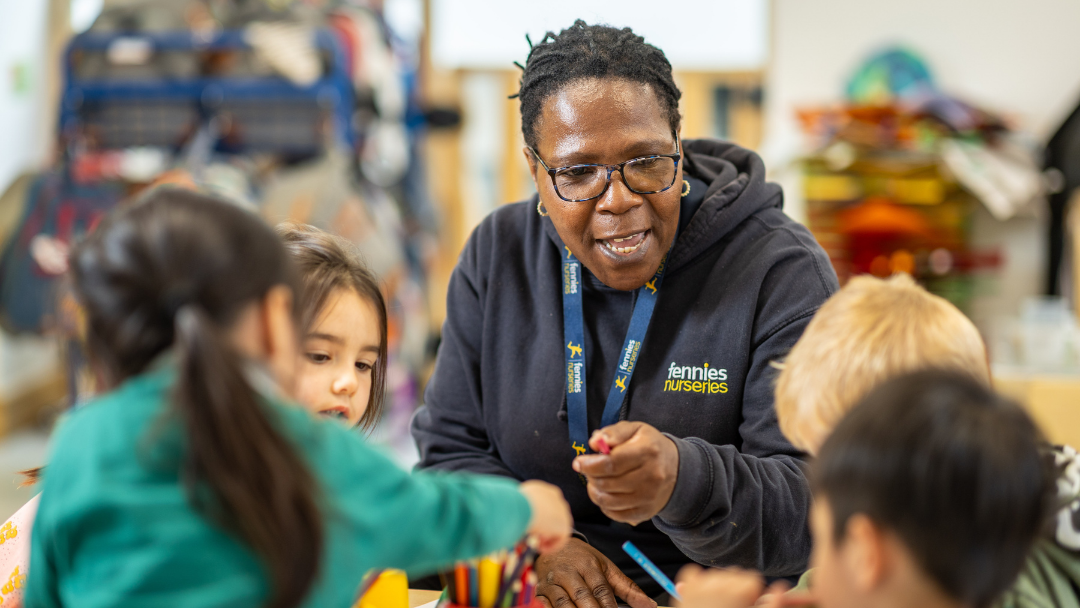
For many toddlers, turn-taking is easier than sharing and can be a great starting block to build upon. True sharing by playing together collaboratively, often develops later on in their growth. Turn-taking helps children understand fairness without feeling like they’re losing something.
For example: “You’re using the car now. When you’re finished, it will be Ella’s turn.”
This approach helps toddlers:
- Feel secure they’ll get the toy back
- Learn patience gradually
- Understand fairness
- Recognise other children’s needs
Over time, turn-taking naturally develops into sharing and helps bridge that gap with a smooth transition.
Practical Tips To Help Toddlers Learn Sharing
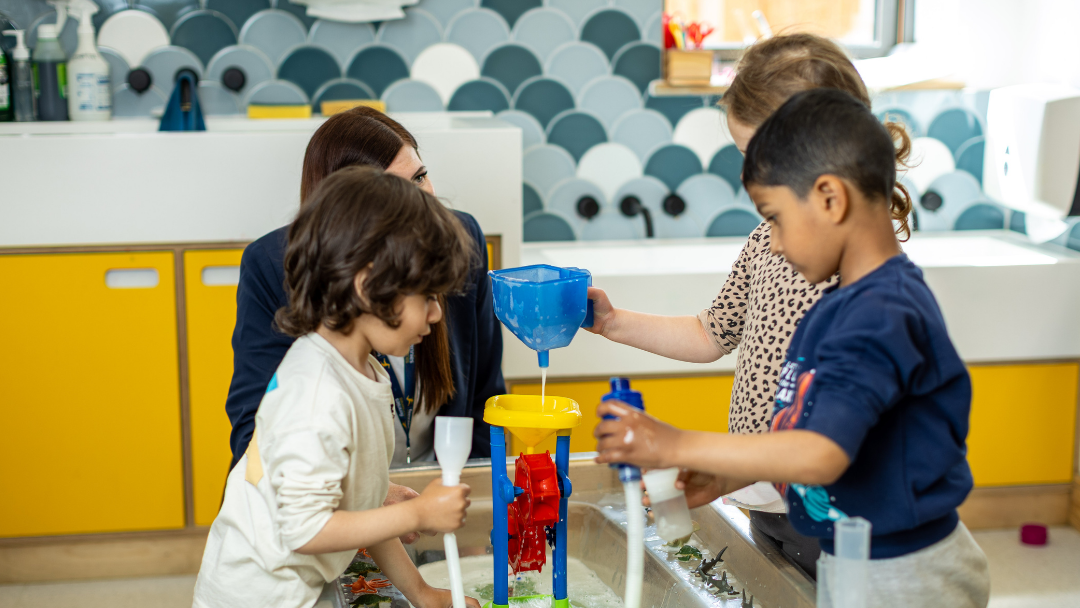
1. Model Sharing At Home
Children learn by watching adults. Demonstrating sharing in everyday situations helps toddlers understand what it looks like.
Try saying, “Would you like to share my apple with me?” or “You can have a turn, then it’s my turn.”
This helps children see sharing as a positive experience and provides a rewarding feeling.
2. Praise Attempts To Share
Recognising that they are making an effort to share helps reinforce this behaviour. Even the smallest of steps make a difference.
For example, “You gave your friend a turn, that was kind!” or “You shared your toys. Your friend looks happy.”
This builds confidence and encourages repetition.
3. Use Short Turn-Taking Games
Simple games help toddlers practice sharing in a low-pressure way:
- Rolling a ball
- Building a tower together
- Taking turns with musical instruments
- Completing puzzles together
Short turns work best initially, and then over time you can gradually increase the waiting time to help develop patience.
4. Narrate Emotions During Disagreements
When sharing conflicts happen, narrating emotions helps children understand feelings. “I can see you're upset because you want the toy. It’s hard to wait. You can have a turn next.”
This validates emotions while teaching patience and empathy.
5. Avoid Forcing Sharing
Forcing a toddler to give up a toy can create anxiety. Instead, acknowledge ownership while encouraging fairness. “You’re still playing with that. When you’re finished, it will be someone else’s turn.”
This helps children feel secure while learning social expectations.
How Sharing Skills Develop Over Time
Sharing develops gradually. Toddlers often begin with:
- Playing alongside others (parallel play)
- Observing other children
- Practicing short turns
- Imitating adult behaviour
- Collaborating in small activities
With consistent support, children begin to understand fairness, cooperation and empathy.
These skills support:
- Friendships
- Communication
- Emotional Regulation
- School Readiness
- Confidence in Group Settings
Supporting Social Development At Nursery
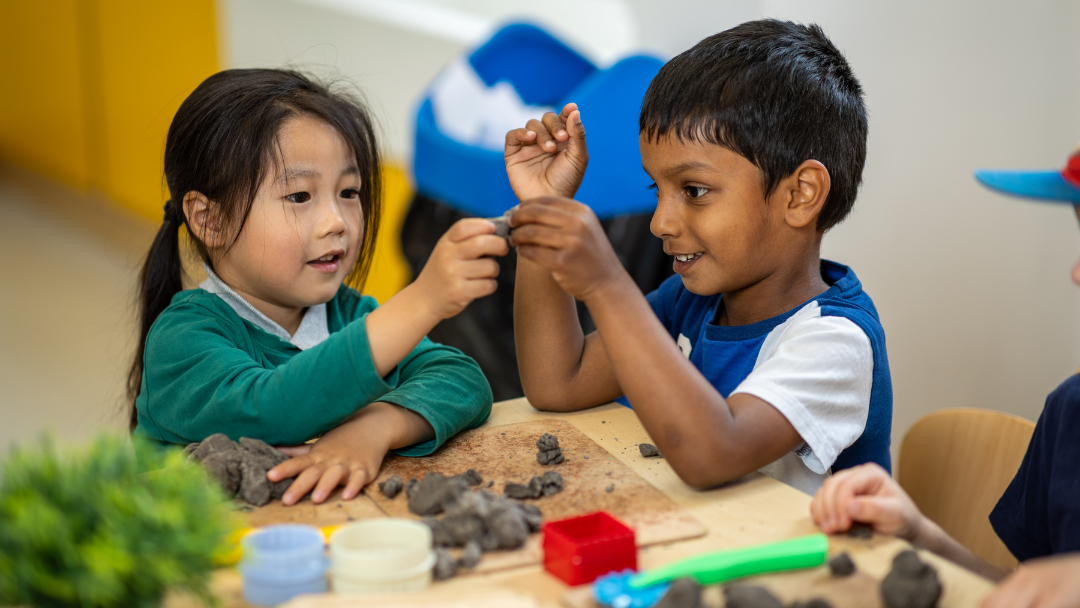
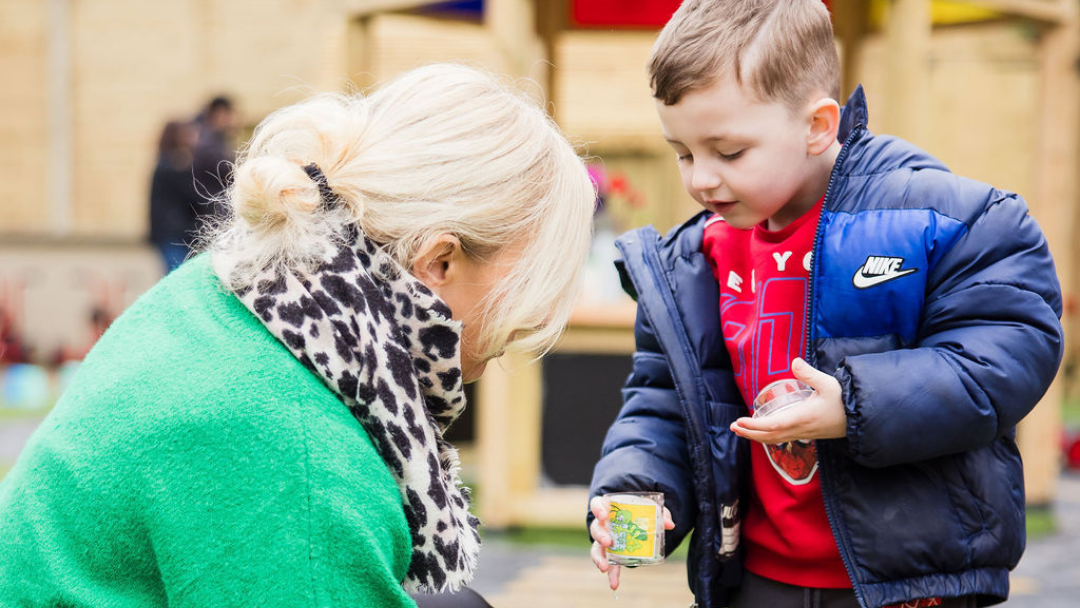
In Early Years environments, sharing is taught through guided play and small group activities, while encouraging supportive interactions throughout. Educators help children take turns when playing and express their emotions.
Children are encouraged to:
- Take turns during activities
- Use language to express needs
- Recognise others’ feelings
- Solve small conflicts
- Build early friendships
Fennies supports children in learning social skills at their own pace, fostering confidence and understanding through nurturing environments and play-based learning.
Every child develops differently, and sharing is a skill that grows over time. With gentle guidance, toddlers naturally develop empathy and positive social behaviours.
FAQ
Sharing can feel difficult for toddlers because they are still learning how to manage their emotions and understand the needs of others. At this stage, children are developing independence and learning what belongs to them, which is why wanting to hold onto favourite toys is completely normal.
Turn-taking means waiting for a chance to use something, while sharing often involves using something together or willingly offering it to someone else. For many toddlers, learning to take turns is an important first step before they feel comfortable sharing.
You can encourage sharing by modelling it in everyday situations, praising positive behaviour and introducing simple turn-taking games. Talking through feelings during disagreements also helps children begin to understand empathy and patience.
At Fennies, children are supported through guided play, small group activities and gentle encouragement from educators. These experiences help children practice turn-taking, recognise emotions and build positive social interactions at their own pace.
Learning to share helps children develop important life skills such as empathy, patience and cooperation. These early social experiences support friendship building, emotional confidence and school readiness as children grow.
Subscribe to our newsletter
Stay up to date with Fennies news
Related posts
.png)
Top Places To Visit With Children In Eltham And Surrounding Areas
Why Do Toddlers Struggle With Sharing? Expert Tips For Parents

Discover Fennies Maidenhead, College Avenue

How To Get A Toddler To Sleep: 12 Proven Bedtime Tips

Meet The Nursery Manager: Tara From Fennies Windsor, Osborne Road

Meet The Nursery Manager: Amy From Fennies Maidenhead, College Avenue

Meet The Nursery Manager: Claudia From Fennies Oxted, Amy Road